A legal notice from the Florida Department of Agriculture and Consumer Services (FDACS) can make it feel like your entire operation is at risk. Whether the issue involves alleged unlicensed activity or a technical operating violation, defending your pest control business becomes critical when the threat of fines, suspension, or shutdown is on the line.
At Elevate Legal Services, PLLC, we understand that your license is more than just a document; it is your reputation, your source of income, and the result of years of dedicated work. We are here to reassure you that an Administrative Complaint does not have to signal the end of your career.
Call Elevate Legal Services, PLLCtoday on 561-770-3335 for a confidential consultation, or contact usto speak with an attorney about your matter
In this comprehensive guide, we will break down the complexities of Florida Statute Chapter 482. You will gain a clear understanding of the FDACS enforcement process, how to identify specific statutory violations, and the proven strategies used to defend your professional future.
The Regulatory Landscape: Why FDACS is Watching
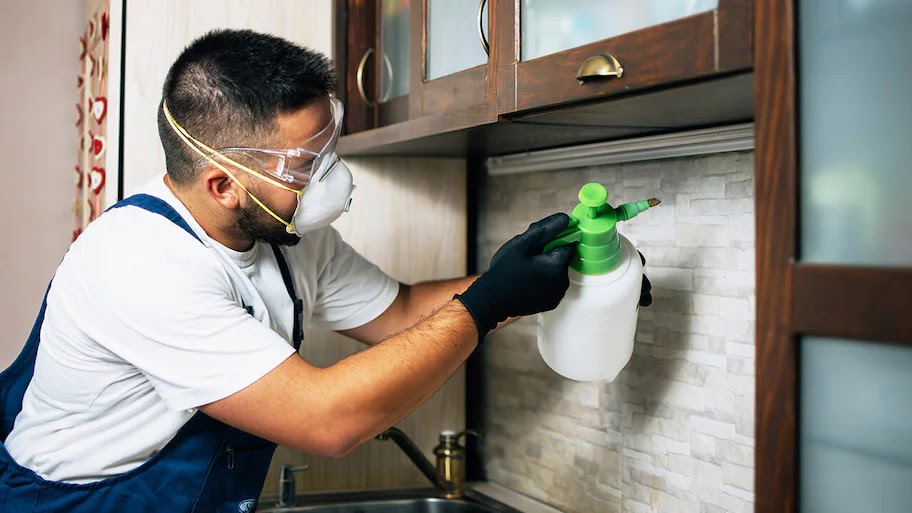
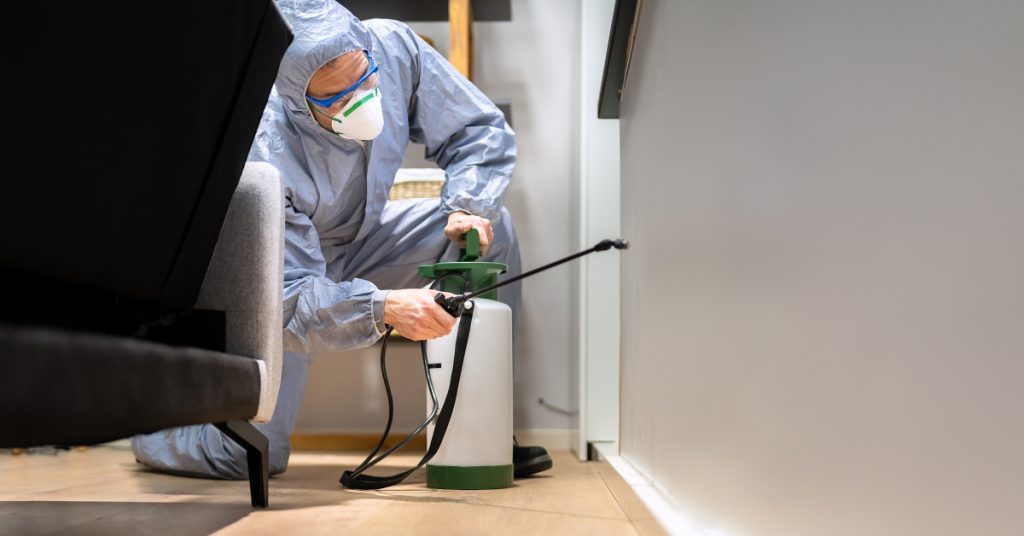 Florida is known for maintaining some of the most rigorous pest control standards in the country. Because this industry involves public safety and the handling of hazardous chemicals, FDACS maintains a strict “zero-tolerance” approach to compliance.
The department’s primary enforcement tool is Florida Statute Chapter 482. This chapter serves as the definitive rulebook for everyone from solo practitioners to large-scale commercial entities. When a complaint is filed, whether by a consumer, a competitor, or an undercover inspector, FDACS is required to initiate a formal investigation.
Understanding Florida Statute §482.165(1): Unlicensed Practice
The most common hurdle for many in the industry is an allegation of unlicensed practice. Under Florida law, “pest control” is defined broadly. Even minor services can trigger a violation if the proper licensure isn’t in place.
Common Violations Under §482.165(1)
- Expired Credentials:Operating even one day after a license has lapsed.
- Unlicensed Advertising:Listing services on social media or lead-generation sites without a valid license number displayed.
- Working “Out of Category”:For example, if you are licensed for General Household Pest (GHP) but perform a wood-destroying organism (WDO) treatment.
Here’s what that means legally.FDACS does not view these as simple clerical errors. Penalties often include immediate Cease-and-Desist orders. If you continue to operate after receiving such an order, you could face criminal charges and permanent debarment from the industry.
The Role of the Certified Operator: Florida Statute §482.111(6)(a)
Even fully licensed businesses often find themselves in difficulty due to administrative oversight regarding their leadership. Florida law is very specific: every business location must have a Certified Operator in Charge.
The “Ghost Operator” Trap
A common issue FDACS monitors is the use of “ghost operators.” This occurs when a business pays a certified individual to put their name on the license, but that person does not actually supervise the daily operations or the technicians.
If your COIC leaves the company and you fail to notify FDACS or replace them within the statutory timeframe, your business is technically in violation of §482.111(6)(a). This can lead to a formal Administrative Complaint and the potential suspension of your business operations.
The FDACS Enforcement Process: What to Expect
 Knowing what comes next is the best way to manage the anxiety of a legal dispute. The administrative process generally follows a structured timeline:
- The Notice of Investigation:An inspector may visit your job site or send a letter requesting records. This is the “discovery” phase, where evidence is gathered.
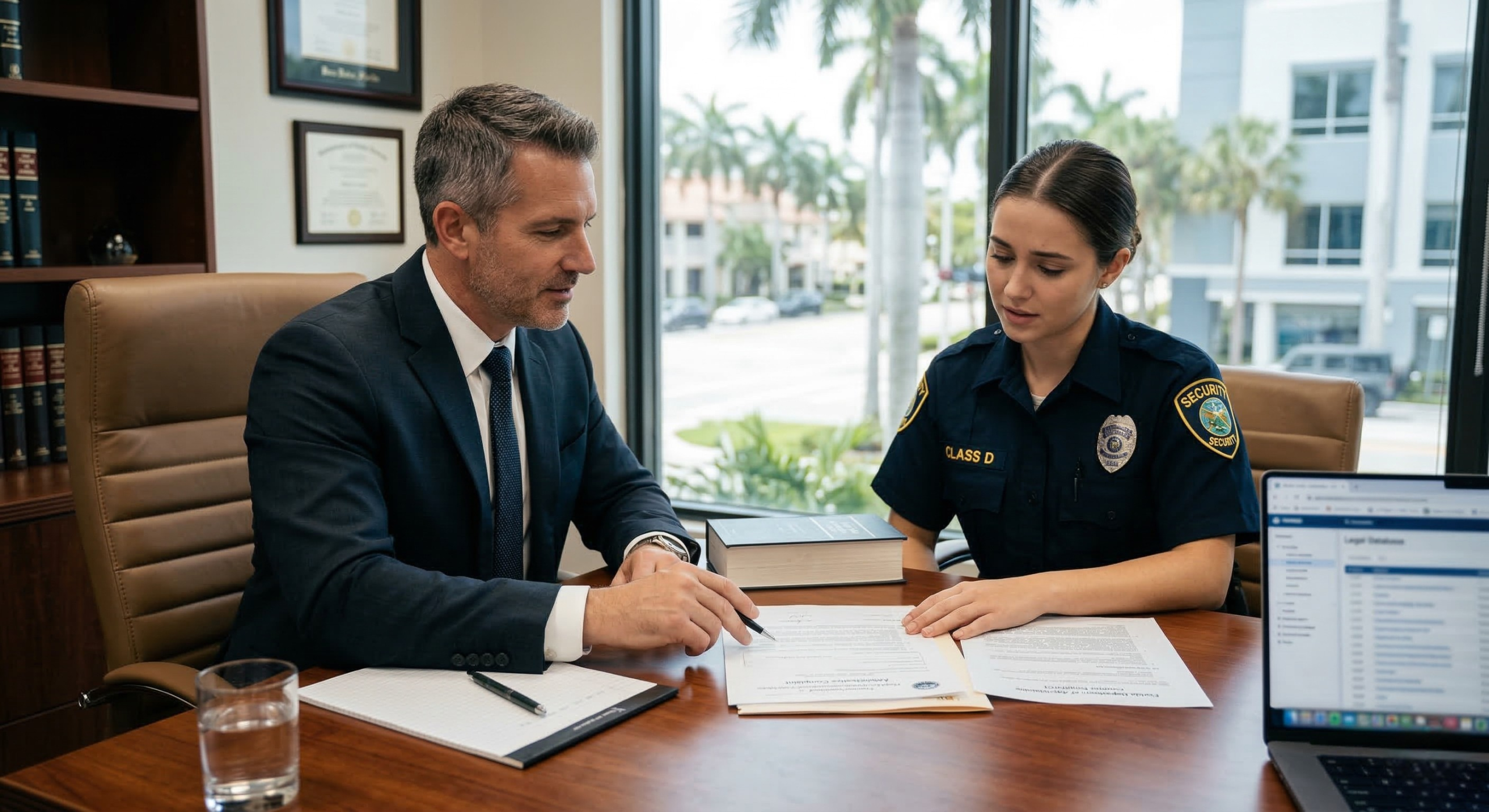
- The Administrative Complaint:If FDACS believes a violation occurred, they will issue a formal complaint outlining the specific statutes violated and the penalties sought.
- The Election of Rights:You will receive a form asking how you want to proceed. You typically have only 21 daysto respond.
- The Resolution:This results in either a settlement (Consent Order), an informal hearing, or a formal administrative trial.
This is the bottom line.If you miss the 21-day deadline, you waive your right to a defense. In such cases, FDACS can move forward with the harshest penalties possible, including permanent license revocation by default.
Strategic Defenses: How We Protect Your License
At Elevate Legal Services, PLLC, we take a proactive approach—building defense strategies tailored to your business and backed by experienced attorneys, because defending your pest control business from FDACS requires more than simply reacting to charges.
Challenging the Evidence
We investigate whether the inspector followed proper protocol and whether the evidence was legally gathered. Often, allegations are based on incomplete information, hearsay, or a misunderstanding of your specific business structure.
Negotiating a Settlement
In many cases, the goal is “mitigation.” We work with FDACS attorneys to negotiate a Consent Order. This may involve paying a reduced fine and agreeing to compliance monitoring in exchange for keeping your license active and avoiding a permanent black mark on your record.
Formal vs. Informal Hearings
- Informal Hearing:This is appropriate when you admit the facts but want to argue for a lower penalty due to mitigating circumstances.
- Formal Hearing:This is necessary when you dispute the allegations. This takes place before an Administrative Law Judge (ALJ)and functions much like a trial, involving witnesses and cross-examination.
Why Professional Representation Matters
You might think you can resolve a violation by simply explaining the situation to an inspector. However, FDACS investigators are trained to identify non-compliance, not to offer legal leniency.
What you may see as a “simple mistake,” the state sees as a statutory violation. Having an attorney acts as a critical buffer. We understand the nuances of the Florida Administrative Code and ensure that your rights are protected throughout the process.
Our firm focuses onProfessional License Defense, providing the authoritative voice you need when dealing with state regulators.
Proactive Steps: Avoiding Future FDACS Complaints
The best defense is a robust compliance program. To stay off the FDACS radar, consider these practical steps:
- Audit Your COIC Status:Ensure your operator in charge is physically present and actively supervising technicians as required by law.
- Verify All Categories:Periodically check that your license covers every specific service you offer in your marketing materials.
- Maintain Detailed Logs:Florida law requires specific record-keeping for pesticide applications. Missing or incomplete logs are frequent targets for inspectors.
Defending Your Pest Control Business
Defending your pest control Business from FDACS is essential when a complaint under Florida Statute Chapter 482 is filed. While the stakes are high, a complaint is not a guilty verdict, and with the right legal strategy, many professionals resolve these matters and continue operating with minimal disruption.
Don’t let a 21-day deadline pass you by. If you’ve been contacted by FDACS or served with an Administrative Complaint, reach out to a team that understands the intersection of pest control and Florida administrative law.
Contact Elevate Legal Services, PLLC today at 561-770-3335 or fill out our contact formfor a professional consultation. We are ready to defend your license and your future.
Frequently Asked Questions (FAQ)
- Can I still work while an FDACS Administrative Complaint is pending?In most cases, yes. Unless FDACS has issued an “Emergency Suspension Order,” your license remains active while the case is being resolved. However, maintaining strict compliance during this period is essential to avoid further allegations.
- What is the maximum fine for a Chapter 482 violation?Fines vary, but FDACS often seeks penalties ranging from $500 to $5,000 per violation. If there are multiple technicians or locations involved, or if the violation is classified as “Major,” these costs can escalate into tens of thousands of dollars.
- Do I need a lawyer for an FDACS interview?It is highly recommended. Anything said during an “informal” interview or site visit can be documented and used as the basis for a formal Administrative Complaint. Counsel ensures you do not inadvertently admit to violations or provide unnecessary evidence.
- What happens if I ignore the Administrative Complaint?Ignoring the complaint is considered a “waiver of rights.” If you do not respond within 21 days, FDACS will issue a Final Order, which usually includes the maximum fine and the revocation of your license.
- Can I get a pest control license back after it has been revoked?Revocation is often permanent or carries a multi-year ban. It is much more effective to fight the complaint before it reaches the revocation stage through negotiation, mitigation, and administrative defense.
- What is the difference between an informal and a formal hearing?An informal hearing is for cases where the facts are not in dispute, and you are simply asking for a lower penalty. A formal hearing is a trial-like proceeding before an Administrative Law Judge where you contest the facts of the case.
- Can a violation of Chapter 482 lead to criminal charges?Yes. Certain violations, particularly those involving “willful” unlicensed activity or a disregard for Cease-and-Desist orders, can be referred to local prosecutors for criminal charges.