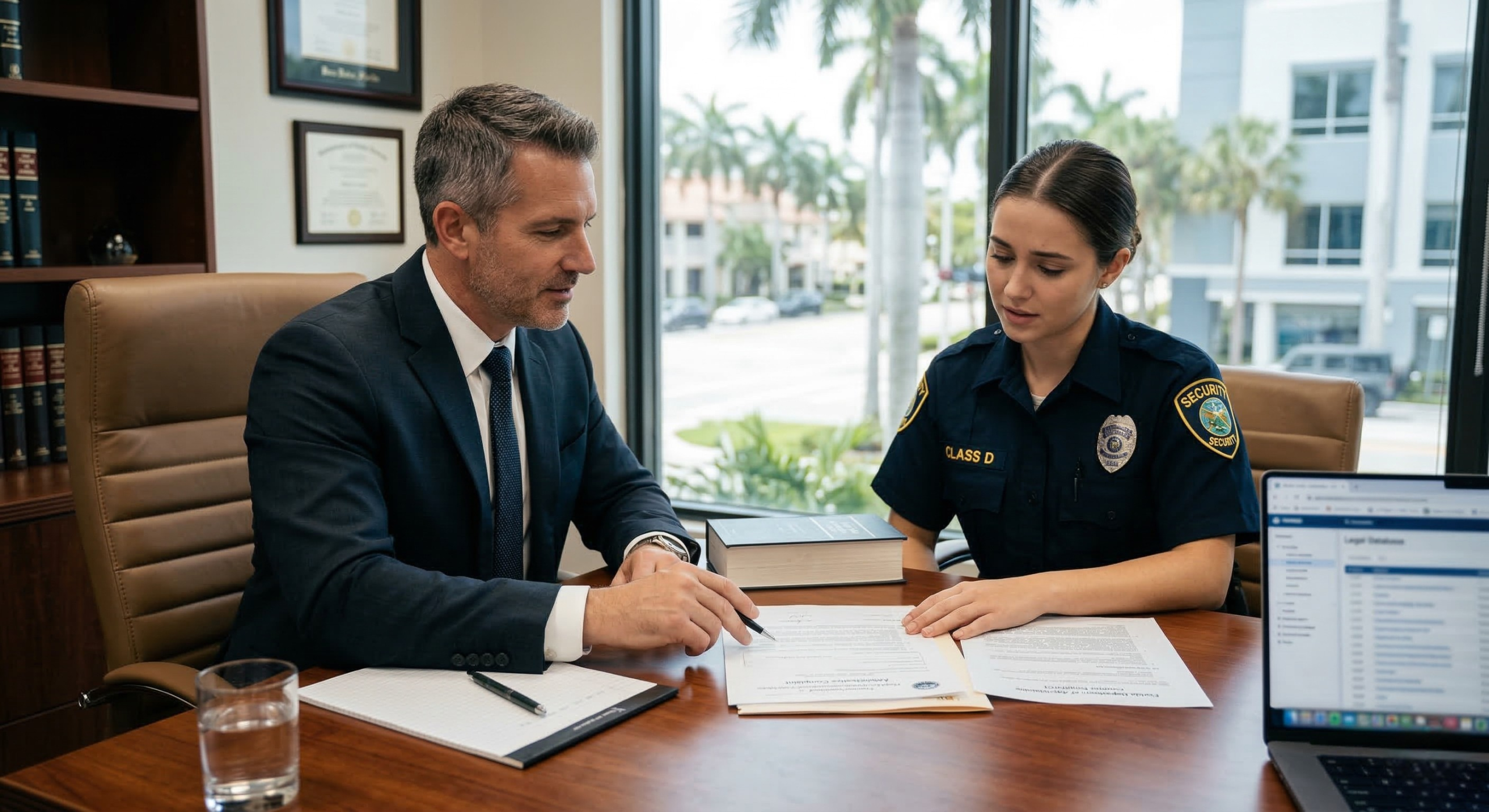

Professional boxing in Florida operates under strict regulatory oversight. While spectators enjoy the action in the ring, the Florida Department of Business and Professional Regulation (DBPR) and the Florida Athletic Commission (FAC) actively supervise licensed boxers, promoters, managers, and events. When alleged rule or statutory violations arise, defending your boxing license in Florida becomes critical, as an administrative complaint can threaten a boxer’s license, livelihood, future opportunities, and professional reputation.
Professional boxing in Florida is a highly regulated sport. While fans see the excitement inside the ring, behind the scenes, the Florida Department of Business and Professional Regulation (DBPR)and the closely monitor every licensed boxer, promoter, manager, and event. When a professional boxer is accused of violating Florida law or commission rules, the result is often a formal administrative complaint that can jeopardize the boxer’s license, career, income, and reputation.
Who Regulates Professional Boxing in Florida?
 Professional boxing in Florida is regulated by the Florida Athletic Commission. It is primarily governed by Chapter 548 of the Florida Statutesand the detailed rules found in the Florida Administrative Code.
The Florida Athletic Commission, operating under the DBPR, is the body tasked with maintaining the integrity of combat sports. They have the power to issue, deny, suspend, or revoke the licenses of boxers, managers, and promoters alike.
The Role of the DBPR
The DBPR acts as the enforcement arm for the Commission. When a violation is suspected, whether it’s a failed drug test or a contractual dispute, the DBPR’s Division of Regulation launches an investigation.
Here is what that means for you legally.The DBPR doesn’t just look for “guilt.” They look for “legal sufficiency.” If they believe you have violated a specific statute, they will move forward with a formal complaint that requires a legal response.
Common Violations That Trigger Administrative Complaints
Most boxers find themselves facing the Commission for a few recurring reasons. Identifying which category your case falls into is the first step in building a defense.
1. Prohibited Substance and Drug Violations
Florida enforces zero-tolerance policies for performance-enhancing drugs (PEDs), stimulants, and masking agents.
- Strict Liability:Under Florida law, you are often held responsible for what is in your system, regardless of intent.
- The Defense:We look for breaks in the “chain of custody” of your sample or errors in the laboratory’s testing protocols.
2. Medical and Safety Non-Compliance
To keep the sport safe, the FAC requires rigorous medical testing, including pre-fight physicals and neurological exams. Failing to disclose a medical condition or fighting while under a medical suspension is a fast track to a disciplinary hearing.
3. Unprofessional or Unsportsmanlike Conduct
The Commission monitors behavior both inside and outside the ring. This can range from ignoring a referee’s instructions to engaging in unsanctioned brawls. Because “conduct” is often subjective, it requires a nuancedadministrative defense to prevent a single mistake from ending your career.
The DBPR Investigation Process: A Step-by-Step Guide
The state’s process is rigid. Knowing the steps can help you avoid making a mistake that strengthens their case against you.
- The Intake:A complaint is filed by a citizen, an official, or the Department itself.
- The Investigation:You receive a “target letter” informing you of the investigation. You typically have 20 daysto provide a written response.
- Probable Cause:A panel reviews the evidence. If they find “probable cause,” a formal Administrative Complaint is filed.
- The Election of Rights:You are served with the complaint and must choose your defense path within 21 days.
- Final Action:The case is resolved through a settlement, an informal hearing, or a formal trial at the Division of Administrative Hearings (DOAH).
Your “Election of Rights”: The Most Critical Decision
When the state files a formal complaint, you will be asked to fill out an Election of Rights (EOR)form. This is not a suggestion; it is a legal requirement.
Choosing an Informal Hearing
An informal hearing is used when you agree with the facts as the DBPR has presented them, but want to explain your side to the Commission. You are essentially asking for a lighter penalty or “mitigation.”
Choosing a Formal Hearing
If you believe the state’s facts are wrong, for example, a “false positive” on a drug test, you must request a formal hearing. This is held before an Administrative Law Judge (ALJ).
This is where the real fight happens. At a formal hearing, your attorney can cross-examine witnesses, present expert testimony, and challenge the state’s evidence in a trial-like setting.
Negotiating a Settlement
In many cases, the best outcome is reached through a Consent Order. This is a negotiated settlement where you might agree to a fine or a short suspension in exchange for keeping your license active.
Why You Need Professional Representation
The DBPR and the Athletic Commission have teams of state attorneys working to uphold their regulations. Attempting to navigate this on your own is like entering the ring without a trainer.
We Identify Procedural Errors
State agencies are bound by law to follow specific rules. If an investigator failed to follow the proper steps or missed a deadline, we may be able to have your case dismissed entirely.
We Manage the Communication
The biggest mistake athletes make is “over-sharing” with investigators. We act as your shield, ensuring that everything communicated to the state is strategic and serves your defense.
 We Protect Your Reputation
A license suspension is public record. It can affect your ability to get fights in other states and turn away sponsors. Our goal is always to keep your record as clean as possible.
Defending Your Boxing License in Florida
If you are a professional boxer or combat sports athlete facing disciplinary action, defending your boxing license in Florida should be your priority. Act before deadlines expire and let our experience protect your career.
Don’t wait. Contact us today at 561-770-3335 for a confidential consultation or complete our online contact form.
Frequently Asked Questions (FAQ)
1. Can a failed drug test in Florida prevent me from fighting in other states?
Yes. Florida participates in national databases for disciplinary reporting. A suspension or revocation by the Florida Athletic Commission will be visible to commissions in every other state, likely resulting in a nationwide ban until the matter is resolved.
2. How much time do I have to respond to a DBPR complaint?
Once you are served with an Administrative Complaint, you generally have only 21 daysto file your Election of Rights. If you miss this deadline, you may be found in “default,” which often leads to the automatic revocation of your license.
3. What is the difference between an informal and a formal hearing?
An informal hearing is a meeting before the Commission where you admit to the facts but ask for leniency. A formal hearing is a trial before an Administrative Law Judge where you challenge the evidence and facts of the case.
4. Can I settle my case without going to a hearing?
Yes. Manylicense defense cases are resolved through settlement negotiations. We work with DBPR attorneys to reach a “Consent Order” that minimizes the impact on your career.
5. What are the potential penalties for a boxing violation?
Penalties vary based on the severity of the offense but can include administrative fines, mandatory drug testing, license suspension, or permanent license revocation.
6. Should I talk to the DBPR investigator to clear things up?
We strongly advise against speaking with investigators without an attorney present. Even well-intentioned statements can be misinterpreted and used as evidence to support an administrative complaint against you.