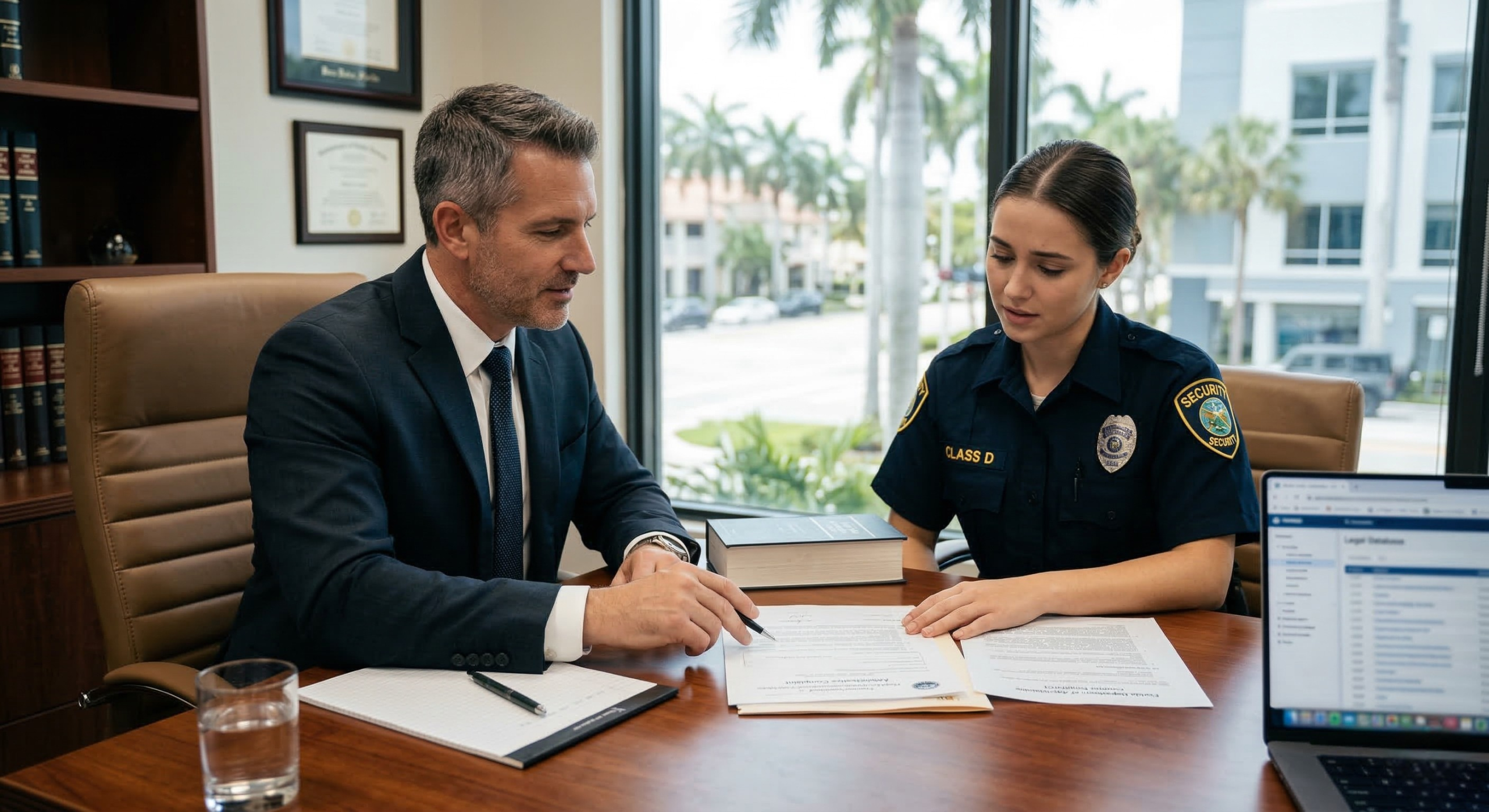

Receiving an Administrative Complaint from the Florida Department of Health can be overwhelming for any chiropractic physician. When your license and livelihood are at stake, defending your chiropractic career becomes essential against allegations ranging from unlicensed practice to technical board violations.
It is completely natural to feel overwhelmed or even defensive. You have dedicated years to your education and your patients, and now your professional reputation is being called into question by the state.
Florida’s Department of Health (DOH) and Board of Chiropractic Physiciansenforce these laws to protect public health and safety by ensuring that all practicing physicians meet the necessary qualifications and standards.
At Elevate Legal Services, PLLC, we want you to know that a complaint is not a final judgment. There are clear legal pathways to defend your license, clarify misunderstandings, and mitigate potential penalties.
Call Elevate Legal Services, PLLCtoday on 561-770-3335 for a confidential consultation, or contact usto speak with an attorney about your matter.
In this guide, we will break down the complexities of Florida Statutes Chapters 456 and 460. You will learn exactly how the DOH investigation process works, the common pitfalls that lead to “unlicensed practice” charges, and the strategic steps you can take to protect your career.
Understanding the Legal Landscape: Florida Statutes Chapters 456, 460, and 20
 The practice of chiropractic medicine is strictly regulated under Florida Statutes Chapter 460, with general health profession regulations outlined in Chapter 456. When a practitioner is accused of a violation, the DOH initiates an administrative process that can lead to life-altering consequences.
1. Failure to Comply with Board Orders F.S. 460.413(1)(v)
One of the most frequent triggers for an administrative complaint is Florida Statute 460.413(1)(v). This statute specifically penalizes “violating a lawful order of the board or department previously entered in a disciplinary hearing.”
Common scenarios that lead to these complaints include:
- Non-Payment of Fines:Failing to pay investigative costs or fines within the mandated timeframe.
- Continuing Education Lapses:Missing deadlines for board-ordered CE courses.
- Probation Violations:Failing to submit required reports or attend mandatory evaluations.
2. Unlicensed Practice Allegations
Allegations of unlicensed practice (often involving Florida Statutes Chapters 20, 456, and 460) are treated with extreme severity. This doesn’t always involve someone practicing without any training; often, it involves a licensed physician whose license lapsed due to an administrative oversight or failure to renew on time.
In Florida, practicing with an inactive or expired license can lead to:
- Hefty administrative fines.
- Cease-and-desist orders.
- Potential criminal charges.
- Permanent damage to your professional standing.
The Anatomy of a Florida Administrative Complaint
The administrative process moves quickly. Missing a single deadline can result in a “default,” which essentially means you waive your right to a defense. Here is the step-by-step breakdown of what to expect:
- Investigation and Initial Notice:It usually begins with a DOH investigator contacting you for a statement. Wait! Before you speak, consult ahealthcare defense attorney. Anything you say now can be used against you later.
- Probable Cause Panel Review:A panel evaluates the evidence gathered. If they find “probable cause,” a formal Administrative Complaint is filed and served to you.
- The Election of Rights (The 21-Day Rule):This is the most critical document. You typically have only 21 days to respond. You must choose between an informal hearing, a formal hearing, or negotiating a settlement.
- Resolution:Your case will either be settled through a Consent Agreement or heard by an Administrative Law Judge (ALJ)who will recommend a final penalty to the Board.
Common Violations That Lead to Disciplinary Action
To protect your practice, you must be aware of the specific “red flags” that the Board of Chiropractic Medicine monitors.
Administrative Oversight and Lapsed Licenses
The Unlicensed Practice of Chiropracticoften stems from simple administrative errors:
- Failure to update your address:If the DOH can’t reach you, you may miss renewal notices.
- Malpractice Insurance Lapses:In Florida, failing to maintain required financial responsibility can trigger an automatic license suspension.
- Continuing Education (CE) Failures:Missing even one required hour can render your license renewal invalid.
Non-Compliance with Board Orders
As mentioned, F.S. 460.413(1)(v) is a frequent source of trouble. This includes failing to pay investigative costs from a previous case or missing the deadline for a board-mandated ethics course. The Board views these as “willful” violations of their authority, often leading to harsher penalties.
 Why Professional Representation is Non-Negotiable
You might think, “I can just explain what happened, and they’ll understand.”Unfortunately, the DOH has experienced prosecutors whose job is to enforce the statutes strictly.
The Benefit of a Solution-Oriented Defense
At Elevate Legal Services, PLLC, our attorneys take a proactive approach. We don’t just wait for the Board to act; we build a defense that highlights your professional integrity.
How we protect you:
- Strategic Response Drafting:We ensure your “Election of Rights” is filed correctly so you don’t accidentally waive your best legal options.
- Negotiating Settlements:We often negotiate “Consent Agreements” that allow you to keep practicing while addressing the Board’s concerns through fines or education rather than suspension.
- Trial Experience:If the DOH refuses to be reasonable, we represent you in a formal hearing before the Division of Administrative Hearings (DOAH).
Conclusion: Defending Your Chiropractic Career
Your chiropractic license represents years of hard work and service. A single administrative error should not be the end of your career.
At Elevate Legal Services, PLLC, defending your chiropractic career means providing clear, authoritative, and compassionate representation. We understand the Florida Board of Chiropractic Medicine and the DOH, and we are ready to stand with you at every step.
Don’t face the Board alone.
If you are facing an Administrative Complaint or allegations of unlicensed practice, act quickly. Defending your chiropractic career starts with understanding your options and building a strategy to keep you practicing and serving your patients.
Call us today at 561-770-3335or contact us onlinefor a confidential consultation.
Frequently Asked Questions (FAQ)
1. Can I still practice while a DOH complaint is pending?
In most cases, yes. Unless the DOH issues an Emergency Suspension Order (ESO), you can continue to see patients while the administrative process unfolds. However, you must ensure you are in full compliance with all other licensing rules during this time.
2. What is the difference between an informal and a formal hearing?
An informal hearing occurs when you do not dispute the facts of the case but wish to argue for a lower penalty. A formal hearing is held before an Administrative Law Judge (ALJ) and is a trial-like proceeding where evidence is presented to dispute the DOH’s allegations.
3. What happens if I ignore the Administrative Complaint?
Ignoring the complaint is a high-risk decision. If you fail to respond within the 21-day window, the Board will likely enter a “Final Order by Default,” which often results in the maximum possible penalty, including the permanent revocation of your license.
4. Can an “unlicensed practice” charge be dropped if it was an accident?
While the DOH may show leniency for an accidental lapse, practicing without a license is a “strict liability” issue. Legal representation is vital to negotiate the charge down to a letter of guidance or a lesser violation to avoid a permanent disciplinary mark on your public record.
5. What are the potential penalties for a violation of F.S. 460.413(1)(v)?
Penalties can range from administrative fines and public reprimands to license suspension or revocation. The severity often depends on the nature of the original order you failed to follow and whether you have a prior disciplinary history.