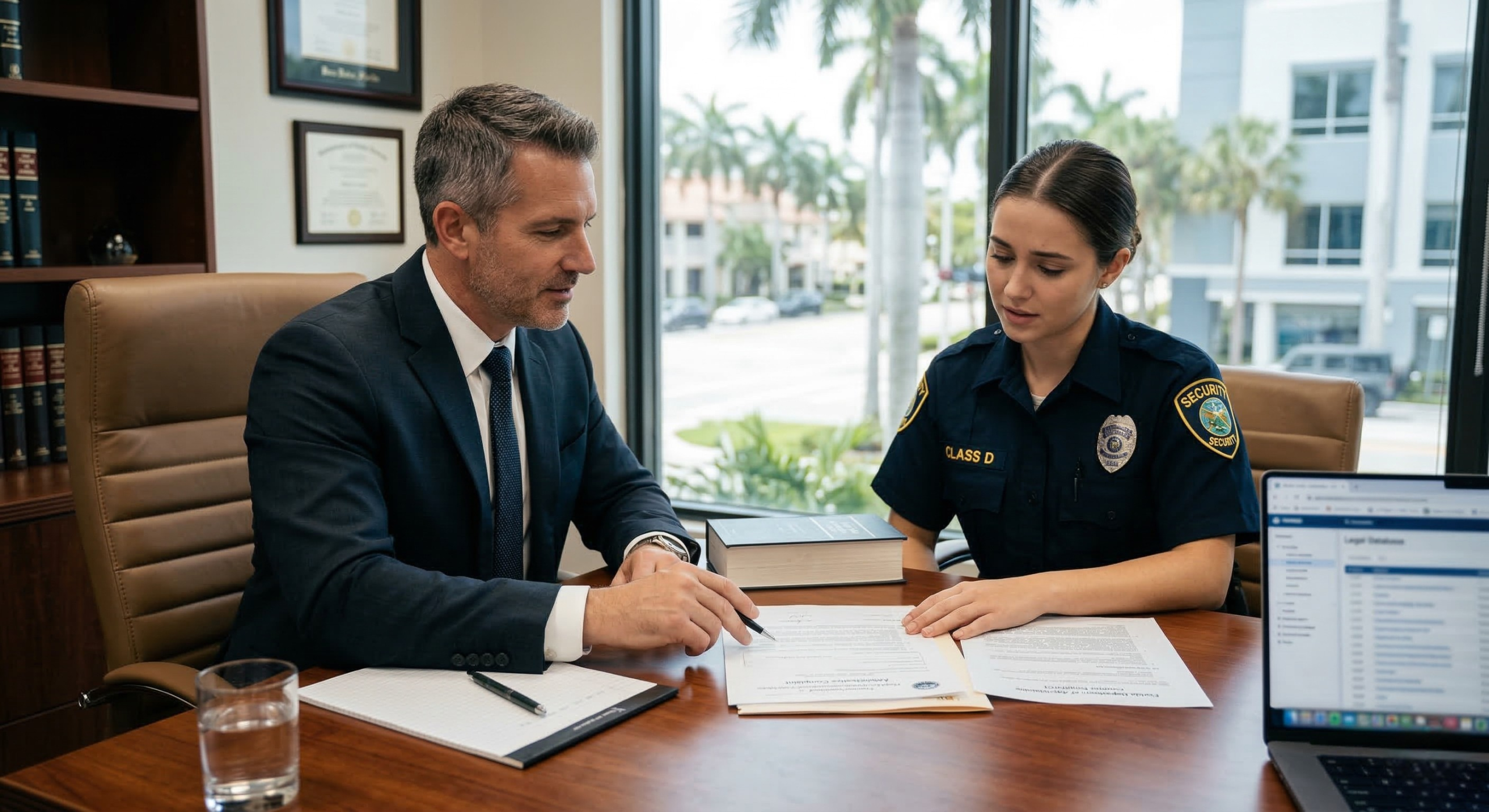
An Administrative Complaint from the Florida Department of Agriculture and Consumer Services (FDACS) can make it feel like your entire operation is suddenly at risk. After years of building trust within Florida’s agricultural community, protecting your Florida livestock business becomes critical when a legal action challenges your right to continue operating.
We understand the stress this causes.
If you are worried about fines, the loss of your license, or the future of your family business, your concerns are valid. At Elevate Legal Services, PLLC, we specialize in defending businesses and individuals facing FDACS Administrative Complaints. Many are unaware that even minor transactions or misunderstandings can lead to these complaints, which FDACS takes very seriously.
Call Elevate Legal Services, PLLCtoday on 561-770-3335 for a confidential consultation, or contact usto speak with an attorney about your matter.
This guide is designed to reassure you that there is a clear path forward. Whether the complaint involves unlicensed activity or a failure to follow health protocols, there are legal defenses available to you.
Understanding Florida Statute Chapters 534 and 585
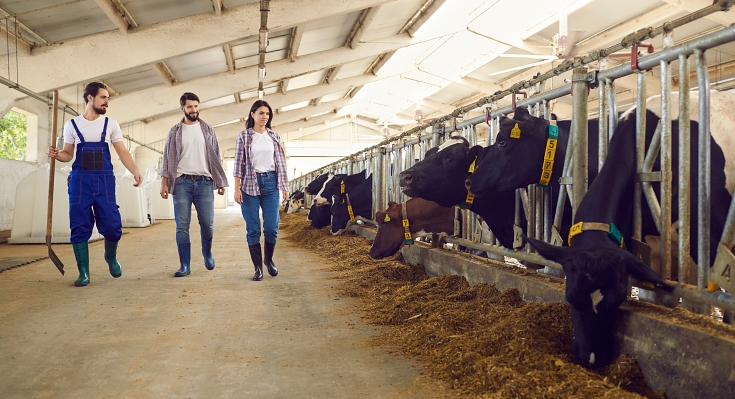
 In Florida, livestock dealers are governed by two primary sets of rules. FDACS often issues complaints based on one or both of these chapters.
Here is why that matters for your defense.
1. Unlicensed Activity Under Chapter 534
Under Florida Statute Chapter 534, the state mandates that anyone acting as a “dealer” must be licensed. The definition of a dealer is surprisingly broad. It includes anyone buying, receiving, selling, or negotiating the transfer of livestock.
Many individuals find themselves facing complaints because they didn’t realize their specific volume of trade required a license. Others may have let a license lapse due to a simple administrative oversight.
Regardless of the reason, FDACS views unlicensed activity as a serious threat to the integrity of the market.
2. Health and Safety Violations Under Chapter 585
While Chapter 534 focuses on whois doing the business, Florida Statute Chapter 585focuses on howthe animals are handled. This chapter, along with Rule 5C-3.0031, governs the prevention of animal diseases.
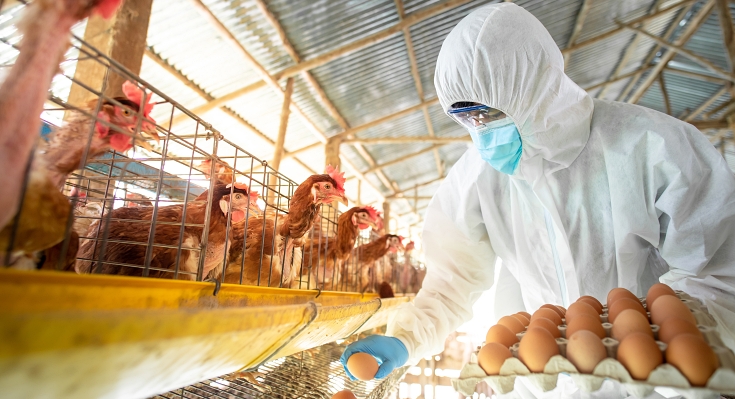
If you have been accused of moving livestock without the proper Official Certificate of Veterinary Inspection (OCVI) or failing to maintain rigorous records, you are likely facing a Chapter 585 violation.
Statutory Basis: F.S. 585.17 and 585.40
Florida Statute Section 585.17 addresses the licensing and recordkeeping requirements for livestock dealers. It mandates dealers to maintain accurate purchase and sale records, ensure proper inspections, and comply with livestock branding requirements.
Section 585.40 focuses on violations related to the buying and selling of livestock. This statute encompasses issues such as fraudulent misrepresentation, failing to maintain required records, or engaging in unfair business practices.
Rule 5C-3.003(1): Dealer Recordkeeping Requirements
FDACS Rule 5C‑3.003(1) specifies the details your dealer records must contain. These include names and addresses of buyers and sellers, identifying details for the animals, transaction dates, purchase price, and proof of inspection. Failure to adhere to these recordkeeping standards may result in enforcement actions and sanctions.
Common Scenarios That Trigger Administrative Enforcement
When protecting your Florida livestock business, livestock dealers may face administrative complaints in situations such as:
- Incomplete or Missing Transaction Records
F.S. 585.17 and Rule 5C‑3.003(1) mandate precise documentation of every livestock sale or purchase. Missing invoices, unrecorded sales, or absent inspection certificates may prompt FDACS enforcement. - Failure to Maintain Accurate Branding Records
Livestock must be identified by Florida’s branding requirements. Misbranded animals or missing brand inspections violate F.S. 585.17. - Unlawful Purchase of Diseased Animals
Dealers are responsible for ensuring animals meet health requirements. Purchasing animals that aren’t inspected or knowingly buying diseased livestock may breach F.S. 585.40 and lead to administrative proceedings. - Misrepresentation or Fraud
Misstating an animal’s health, origin, weight, or breed can result in allegations under F.S. 585.40 or FDACS rule violations.
The FDACS Administrative Process: Step-by-Step
The moment you are served with an Administrative Complaint, a legal clock starts ticking. The process is rigid, but knowing the stages can help you maintain control.
Here is what the process typically looks like:
- Service of the Complaint:You receive formal notice of the allegations and the penalties the Department intends to seek.
- The Election of Rights (EOR):Attached to your complaint is a document called an Election of Rights. You generally have only 21 daysto respond. If you miss this deadline, you may waive your right to a defense.
- Choosing a Hearing Type:You must decide between an Informal Hearing (if you do not dispute the facts) or a Formal Hearing (if you disagree with the Department’s allegations).
- Discovery and Negotiation:This is the phase where evidence is exchanged. Often, this is the best time to negotiate a settlement or “Consent Order” to reduce penalties.
- The Hearing:If a settlement isn’t reached, your case goes before an Administrative Law Judge (ALJ), who will hear testimony and review evidence.
- The Recommended Order:After the hearing, the ALJ issues a recommendation.
- The Final Order:The FDACS Commissioner reviews the recommendation and issues the final decision regarding fines or license status.
Why Professional Representation is Essential
You might be tempted to call the Department yourself to “clear things up.” However, in the legal world, every statement you make can be used to support the Department’s case.
Here is how that looks in practice.
Professional legal counsel serves as a buffer between you and the state regulators. At Elevate Legal Services, PLLC, ourexperienced defense team focuses on:
- Evidence Review:We meticulously look for “missing links” in the Department’s evidence. Did they properly document the transaction? Is the witness testimony reliable?
- Negotiation Power:We often negotiate “Settlement Agreements.” This can involve reducing a $5,000 fine down to a manageable amount or preventing a license revocation entirely.
- Procedural Accuracy:Administrative law is a maze of deadlines. We ensure you don’t lose your business due to a simple filing error.
Common Defenses in Livestock Dealer Cases
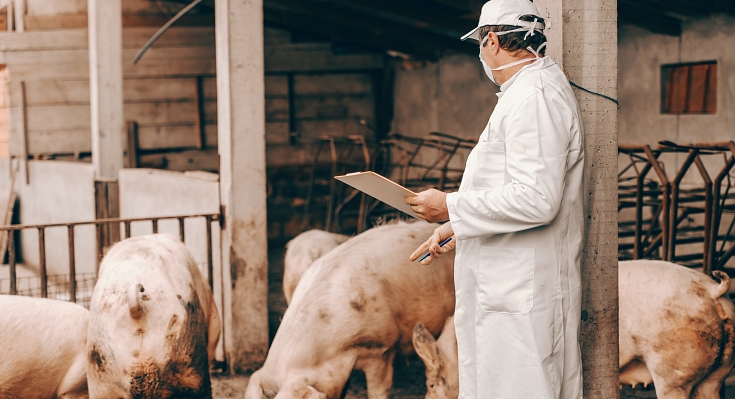 It is important to remember that an allegation is not a conviction. When protecting your Florida livestock business, we implement proven legal strategies to safeguard your rights and operations.
Consider these potential defenses:
- Statutory Exemptions:Not everyone who sells an animal is a “dealer.” We check whether your activities fall under specific exemptions in the Florida Statutes.
- Substantial Compliance:If you made a good-faith effort to follow health rules but a minor technicality occurred, we argue for leniency and corrective action over punishment.
- Lack of Evidence:The Department must prove you intended to engage in dealer activities. If they lack receipts, contracts, or reliable witness testimony, their case may be fundamentally flawed.
The Long-Term Impact on Your Reputation
In the livestock world, your word is your bond. An administrative Final Order is a public record. This means future partners, lenders, and buyers could see the violation.
By aggressively defending your case now, you aren’t just fighting a fine; you are protecting the “brand” you have built over years of hard work.
Whether you are facing allegations of dealing with an unlicensed dealer or health certificate violations, a proactive defense is the best way to ensure your business survives. For more information on our specific services, visit ourProfessional License Defensepage.
Conclusion: Take the Next Step Toward Resolution
A legal challenge from the State of Florida can feel overwhelming, especially when your livelihood is on the line. During these critical moments, protecting your Florida livestock business requires experienced, authoritative representation—and Elevate Legal Services, PLLC is here to stand with you every step of the way.
We know the law, but we also know the people who keep Florida’s agriculture industry running. If you have received an Administrative Complaint, don’t wait for the deadline to pass.
Protect your livelihood today.
Contact Elevate Legal Services, PLLC at 561-770-3335or fill out our online contact formto schedule a consultation and discuss your options.
Frequently Asked Questions (FAQ)
- Can I still sell livestock while the complaint is pending?In most cases, yes, unless the FDACS has issued an Emergency Order of Suspension. However, continuing the specific activities that led to the complaint can increase your potential penalties. It is vital to review your specific situation with an attorney.
- What is the maximum fine for a livestock violation in Florida?Under Florida Statutes, the Department can often assess fines up to $5,000 per violation. If you are accused of multiple transactions over several months, these fines can stack up quickly into the tens of thousands.
- I didn’t know I needed a license. Is “ignorance of the law” a defense?Legally, no. However, a lack of prior knowledge is a significant “mitigating factor.” We use this during negotiations to argue for lower fines and a path toward compliance rather than a punitive shutdown.
- What is an OCVI, and why is it so important?An Official Certificate of Veterinary Inspection is a health certificate issued by an accredited veterinarian. FDACS requires these to track and prevent diseases like Brucellosis. Missing this document is the most common reason for a Chapter 585 complaint.
- Do I really need a lawyer for an administrative hearing?While you can represent yourself, the Department will be represented by experienced staff attorneys. Having a lawyer ensures you don’t accidentally waive rights or fail to introduce evidence that could save your license.
- What happens if I miss the 21-day deadline to respond?If you fail to file your Election of Rights within 21 days, the Department may enter a “Final Order by Default.” This usually means they will impose the maximum penalties and fines without any further input from you.