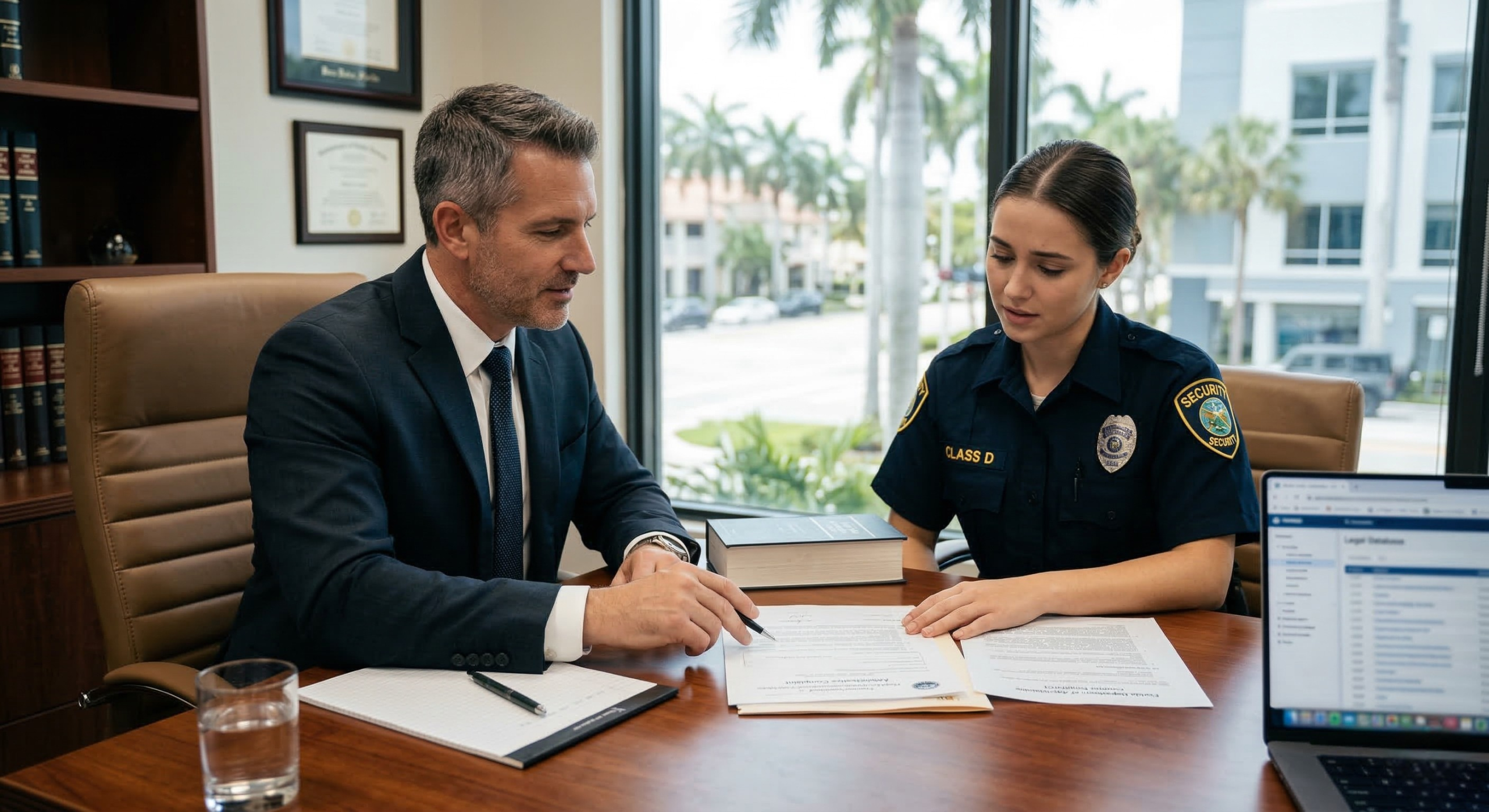

Facing a complaint against your nursing or CNA license can feel like your entire world is closing in. Through Florida nursing license defense, we understand you have dedicated your life to caring for others, and now the state is questioning your fitness to practice. This is a stressful, overwhelming, and deeply personal challenge.
The good news is that you don’t have to face this alone.
At Elevate Legal Services, PLLC, we believe every healthcare professional deserves a fair defense and a clear path forward. This guide explains Florida statutes, the DOH process, and Florida Nursing License Defense strategies to protect your livelihood.
Call Elevate Legal Services, PLLCtoday on 561-770-3335 for a confidential consultation, or contact usto speak with an attorney about your matter
By the end of this guide, you will understand the legal framework governing your license, what to do if you receive an Emergency Suspension Order (ESO), and how to navigate an Administrative Complaint with confidence.
Understanding the Legal Framework: Chapters 456 and 464
 In Florida, your professional conduct is governed by specific laws designed to ensure public safety. If you are a Registered Nurse (RN), Licensed Practical Nurse (LPN), or Certified Nursing Assistant (CNA), you fall under the jurisdiction of the Department of Health (DOH) and the Board of Nursing.
The Nurse Practice Act (Chapter 464)
Florida Statute Chapter 464, also known as the Nurse Practice Act, is the primary authority over your profession. Whether you are practicing in a hospital, a long-term care facility, or providing home health services, these rules apply to you.
Section 464.018(for nurses) and Section 464.204(for CNAs) outline the specific acts that can lead to disciplinary action. These often include:
- Negligence or malpractice that results in patient harm.
- Failing to meet the minimal standards of acceptable nursing practice.
- Violating a lawful order of the Board or Department.
- Being found guilty of a crime that relates to the practice of nursing.
General Health Provisions (Chapter 456)
While Chapter 464 is nursing-specific, Chapter 456applies to all healthcare professions in Florida. This chapter dictates how the Department of Health must handle investigations and what general conduct is expected of all licensees.
Think of Chapter 456 as the “umbrella” law. It covers general grounds for discipline, such as criminal convictions and the failure to report violations.
Here is the kicker.
Under Florida Statute 456.072(1)(f), filing a false report or failing to file a report required by law can lead to immediate disciplinary action. Even a simple documentation error can be misconstrued as a “willful” violation if not handled correctly by an experienced legal team.
When the State Moves Fast: The Emergency Suspension Order (ESO)
The most frightening document a nurse or CNA can receive is an Emergency Suspension Order. An ESO is essentially a “kill switch” for your career that the state can pull before you ever set foot in a courtroom.
What is an ESO?It is an immediate stop-work order. The Florida Surgeon General has the power to suspend your license instantly if they believe you pose an “immediate danger” to public health, safety, or welfare.
The Reality of an ESO:
- You must stop practicing the moment you are served.
- There is no prior hearing before the suspension takes effect.
- It often stems from allegations of substance abuse, diversion of medication, or severe patient abuse.
But here’s the thing.
An ESO is not a final judgment. It is a temporary measure. You have the right to an expedited hearing at the Division of Administrative Hearings (DOAH).
Our role in Florida nursing license defense is to challenge whether an “immediate danger” truly exists. The state’s evidence is often one-sided or incomplete, and we provide context and a strong defense to help you return to work as quickly as possible.
The Path of a DOH Administrative Complaint
Most disciplinary actions begin with an Administrative Complaint. This is a formal document detailing the allegations against you and the specific statutes you are accused of violating. Understanding the timeline is critical to your defense.
The Step-by-Step Legal Process
- The Investigation Phase:It usually starts with a phone call or a letter from a DOH investigator. They may ask for a “voluntary” statement. Do not provide a statement without legal counsel; anything you say can be used against you.
- Probable Cause Determination:After the investigation, a Probable Cause Panel reviews the evidence. If they find enough evidence to support the charges, a formal Administrative Complaint is filed.
- The 21-Day Response Window:Once you are served with a complaint, the clock starts ticking. You generally have 21 daysto respond via an Election of Rights form. If you fail to respond, you waive your right to a hearing, and the Board can revoke your license by default.
- The Election of Rights:This is where you choose your path. You can opt for a Settlement Agreement (Stipulation), an Informal Hearing (to argue for a lower penalty), or a Formal Hearing before an Administrative Law Judge (ALJ) where we dispute the facts of the case.
Defending Specific Allegations
Florida Statute 464.204(1)(b) & 464.018(1)(e)
These sections are commonly cited in cases of “unprofessional conduct.” This can range from a verbal disagreement with a patient to allegations of physical neglect or improper patient handling.
The state must prove that your conduct fell below the “minimal standards” of the profession. We often utilize expert witnesses and review facility protocols to show that your actions were within the acceptable range of practice for a Florida nurse or CNA.
Documentation and Fraud (456.072)
The DOH takes “paperwork” very seriously. If you are accused of falsifying records, even if no patient was harmed, the consequences are severe.
Here’s what that means legally.
The state must prove intent. We often find that “fraud” was actually a result of poor training, staffing shortages, or simple human error. At Elevate Legal Services, PLLC, we focus on highlighting these systemic issues to protect your individual record.
Why You Need Professional Representation
 The Board of Nursing is not there to be your friend. Their primary mandate is to protect the public, not your career.
That’s where we come in.
At Elevate Legal Services, PLLC, we act as your shield. Our approach is authoritative, professional, and entirely client-centered. We provide:
- Strategic Guidance:We know when it is beneficial to negotiate a settlement and when it is necessary to go to trial.
- Peace of Mind:We handle all communication with the DOH and the Board, so you don’t have to endure the stress of direct contact with investigators.
- Solution-Oriented Defense:Whether it’s navigating the Intervention Project for Nurses (IPN) or challenging a witness’s credibility, we focus on the best outcome for your future.
You’ve worked too hard to let a single complaint or a misunderstanding define your career. You deserve a defense that is as dedicated as you are to your patients.
Frequently Asked Questions (FAQ)
- Can I still work if I have an Administrative Complaint against me?In most cases, yes. Unless you have been served with an Emergency Suspension Order (ESO), you can typically continue to practice while the case is pending. However, you must be honest with future employers if they ask about pending disciplinary actions during the hiring process.
- Should I join the IPN (Intervention Project for Nurses) if the DOH suggests it?Not necessarily. While IPN can be a lifesaver for those struggling with impairment, it is a highly restrictive and long-term commitment. You should always consult with an attorney before signing an IPN monitoring contract to understand the legal and professional implications.
- What are the common penalties for a nursing license violation?Penalties vary based on the severity of the offense and your prior disciplinary history. They can include a letter of concern, administrative fines, mandatory continuing education, probation, or, in extreme cases, suspension or permanent revocation of your license.
- How long does the disciplinary process take?The process can be slow. From the initial investigation to a final order from the Board, it can take anywhere from six months to two years. Having an attorney can often help expedite certain stages and ensure all legal deadlines are met.
- Do I need a lawyer for a Board of Nursing hearing?While you are not legally required to have a lawyer, it is highly recommended. The DOH will have its own attorneys prosecuting the case. Having professional representation ensures your rights are protected and prevents you from accidentally providing incriminating information.
Take the First Step Toward Saving Your Career
If you have received a letter from the DOH or are facing a license investigation, the time to act is now. Delaying your defense only gives the state more time to build its case without opposition.
At Elevate Legal Services, PLLC, we offer trusted and compassionate guidance through Florida nursing license defense. We understand Florida statutes and know how to navigate the Board of Nursing’s complex procedures.
Don’t leave your livelihood to chance.
Contact us today for a confidential consultation. Let’s discuss your options and build a strategy to protect your license and your future.
Call us at: 561-770-3335 Visit our website: Contact Elevate Legal ServicesEmail: [email protected]